
- Home
- Urbanization – Planning for the Inevitable
Urbanization – Planning for the Inevitable
10
May
Key Concepts
- Rapid Urbanization of India is an ongoing and inevitable phenomenon.
- Restricted Land availability in cities requires vertical growth and designated mixed use areas forming clusters of neighbourhoods.
- Urban Cities in India are unable to raise Funds and Revenues due to inability to sell or lease land within under their limits, or Tax Vehicles, or consumption, or issue Bonds, as all this is done only by the State. This needs re consideration.
- Rent control regulation does not allow for proper development and maintenance of Properties and such regulation is done not by the City but by the State.
- Large Cities are controlled and bullied by the Governments and Politicians dependent on the Rural vote and hence, cannot manage their affairs efficiently. Cities should be managed by their own Councils / Corporations. (See – Smaller States – How Small…).
Key Metrics
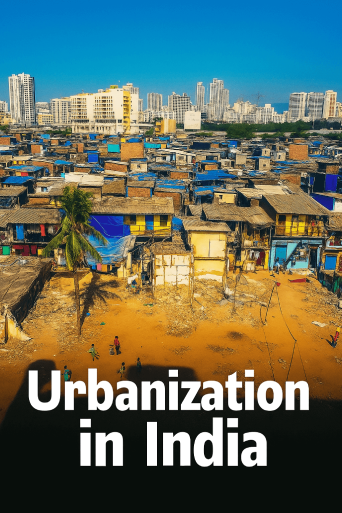
- Across history all cities grew from Shanty Towns / Slums, and as the cities grow, newer slums are looked at disdainfully by those who by then are better settled.
- All that we see as culture was born from the early agglomerations of people in cities / towns then.
- India’s Slum population is 17 percent of the urban population and keeps growing as the city grows.
- In 1900, out of a total population of about 200 million, the Country’s rural population was about 85 percent and the urban population was about 11 percent with the rest in small towns. Now out of a total population of 1.40 billion, the rural population has dropped to 65 percent and urban increase to 28 percent. By 2030 the urban population is expected to be 50 percent, as is the case in China today, and to about 70 percent by 2050. The figures in percentage terms are deceptive because of the massive increase of the total population from 200 million in 1900 to over 1.40 billion today and expected to be over 1.50 billion by 2050. The urban population of the USA is today at 81 percent and of Israel at 91 percent.
- The spending for maintaining the urban infrastructure per capita of urban dwellers in US $ is in, the UK – $381, China – $116 and in India – $17 only.
- City Governments have become dependent on doles, from their State governments, receiving only in – Delhi 16 percent, Mumbai 24 percent, Hyderabad 48 percent, of the expenditure as Property Tax Revenues. In Punjab 2/3rds of the Properties are exempt from Tax. The average Mumbaiker pays only about Rs. 1500 /- per year.
- Current expenditure on cities in India is a measly 0.5 percent of the Country’s total budget.
- TThe percentage share out of total urban population of the Country is – Mumbai – 6.5 percent and Delhi – 5 percent. While the percentage share out of total income generated in urban India, of Mumbai is 13 percent and of Delhi 11 percent.
According to Richard Florida, urban theorist, 40 percent of the largest megacities of the world are home to 18 percent of the world’s population and produce 2/3rds of the global economic output and nearly 90 percent of the new patented inventions.
Reader comments
Subscribe
0 Comments