
- Home
- Interse Currency Valuation & Monetizing Personal & Temple Gold & Silver Holdings
Interse Currency Valuation & Monetizing Personal & Temple Gold & Silver Holdings
Key Concepts
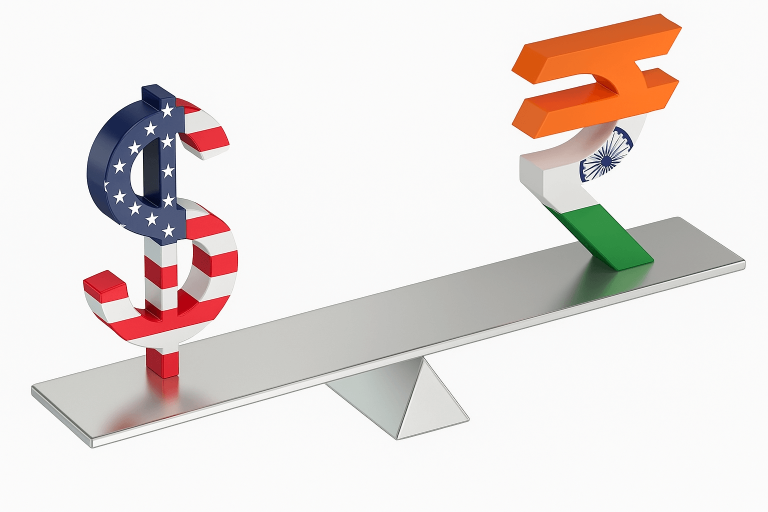
Currency exchange values – Realistic method for valuation of inter-se currency exchanges should be based not only on comparative import / export requirements and tourist / other commercial or so-called Purchase Power Parity, but also, on factors such as,
- Minimum wage rates for semi-skilled and unskilled labour in Rural, SemiUrban and Urban areas across various zones
- Costs of Power / Energy per Kwh (unit).
- Cost of water for domestic/industrial/agricultural purposes per kilo litre.
- Cost of Water/ Rail/ Road/ Air Cargo transportation per ton per 100 kms.
- Rates of Interest and other subsidies offered to businesses and farmers.
So-called Purchase Power Parity, arrived at by comparing the prices of street food in either country, is comparing apples to bananas. The price of a Hamburger and Coke in the USA should be compared to not the same, but equivalent street food in India, say a plate of Samosas or ldlis, or Vadapau, along with a glass of Tea or Nimbu-pani or Lassi. This will show a price parity of about one to five only and not the one to 88 now claimed. In fact, the real value could be even more in favour of the Rupee. It may be noted that in 1911, one Rupee was equal to eleven US $.
If our currency is backed up with tangible and monetizable assets and the cost of any of our produce or products are arrived at in a measurable manner, the value of our currency will be well appreciated by our trading partners.
It is true that a value of a product or service is really what others are willing to pay for it, but if the payment is being made in another currency its valuation needs to be equitable and transparent.