
- Home
- Accidents – Prevention & using Taxation to Decongest Roads
Accidents – Prevention & using Taxation to Decongest Roads
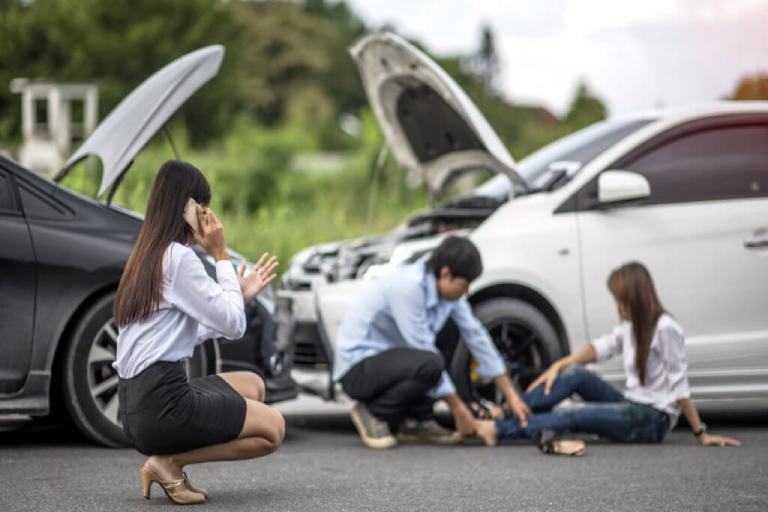
Action should begin on many fronts, some of which are as listed below:
Educate children on proper road usage, method of crossing the road and the common courtesy to be extended to other road users. Encourage them to point out and remind the key elements of such courtesy to their parents and elders when they see them err
- Improve the footpaths and clear them of all obstructions. As far as possible they should be of adequate width to allow the expected pedestrian traffic and continue so all along the entire length of the road without bottlenecks and also, be comfortable to walk on, with convenient kerb height.
- Mark out “Zebra Crossings” at reasonable intervals and install “Camel/ Penguin” type push button indicator lights, indicating “Walk” – “Don’t Walk” signs, to warn regular traffic to stop and allow safe crossing to pedestrians. Of course, such lights should only operate again after a specified period to allow for vehicular traffic movement also. These could also, be synchronized with the nearby traffic signal system. Pedestrians should also, be taught to understand that if everyone continues crossing wherever they decide or whenever they want, the vehicle drivers will soon tend to disregard “Zebra crossings” as otherwise they will never be able to proceed. Such behaviour is called ‘Jaywalking’ and is a rash and negligent behaviour, endangering not only the ‘Jay walker’ but also, the other road users, and is a crime that must be penalized.
- Ensure all traffic on the road is capable of moving at least, at the speed limit applicable on that stretch, slower moving vehicles cause serious bottlenecks in the easy flow of traffic. However, do ensure that the speed limits are practical and not too low or unnecessarily precautionary, leading to them being ignored.
- Ensure that all the road users follow the rules laid down, e.g.: use of seat belts in cars and wearing of helmets for cycle and two-wheeler riders, functioning lights and indicators, use of reflectors etc. and strictly penalize defaulters. If any of the rules are deemed to be unnecessary or impractical in view of the traffic conditions of today – then such rules need to be suitably amended or even be deleted. Having rules but not enforcing them only inculcates greater disregard for other rules and laws.
- To reduce the number of fatalities, ensure appropriate training is given to all applicants for a driving license about ‘First aid’ and basic emergency medical care, and about what their reaction to accidents, either as one involved or as an onlooker, should be. Also, properly staffed and equipped Ambulances should be so positioned as to respond to any accident report and reach the accident site within the shortest possible time as deemed practical and necessary.
- It is noted that knowledge of safety features leads to overconfidence and hence, to a greater level of risk taking or rashness. Seat belts, air bags, ABS etc. in cars encourage many a driver to take chances he / she would otherwise not have taken. Everyone should be made aware of such a tendency and be taught to overcome it.
- Community Based Organizations (CBOs) such as Freemasons, Lions, Rotarians, Colony Associations, local police and even Doctors of neighbourhood clinics and hospitals, must be encouraged to become involved in educating the people on the right way to drive and behave and respond to in an emergency.
Experience of other countries, shows us that the quickest way to bring about awareness of traffic rules and of the common courtesies of road use is by properly educating the children and encouraging them to inform and remind their elders, and by ensuring due training to the applicants for a driving license.
However, as the old saying goes ‘Prevention is better than Cure’. Therefore, the best way to get everyone to follow these rules is by ensuring strict policing and penalizing of every defaulter for every infraction, whether major or minor, and whether he be a poor man illegally dwelling, or even sleeping, on the pavements and road sides, or a richer two-wheeler rider or an even richer vehicle driver or an employee driving a vehicle of any sort. Equality of consideration before the law does not allow such distinctions to be made between any of such people. Sympathy doesn’t mean allowing them to transgress the law, put themselves into positions of risk and then claim to be a victim.
Also, the tendency to automatically assume that the bigger or costlier vehicle driver is at fault should be avoided. Laws which call for immediately booking the driver of such a vehicle under a rash and negligent driving charge should be properly viewed in context and, implemented only if found applicable. A jaywalking pedestrian, or a twowheeler rider trying to insert him/ herself into every small gap between vehicles, should be held as responsible for such rash and negligent behaviour as any other road user. Adults who allow little children to run across traffic bound roads without accompanying and holding them, are also, to be held responsible for any accident that such behaviour might cause. Driving while under the influence of alcohol, or other intoxicants, should be strictly and severely punished.
Every road user should be held responsible for following the rules and for using the roads safely and with consideration for the other road users. To paraphrase the Telangana State Transport Department Motto, Remember – Safety Always For All on Roads (SAFAR)
Proposal for more equitable taxation of road vehicles to reduce congestion and pollution
Every citizen must pay his/her share of property tax which should include an equitable share toward building and maintaining the roads/ lanes. The commercial shops and establishment owners should pay more to also, cover the extra use of the roads by their customers.
The municipality should maintain the roads and side-walks / footpaths and also, provide for proper collection and disposal of not only garbage and sewerage but also, of storm water to allow the roads and footpaths/sidewalks to be kept properly usable.
Congestion of vehicles on roads and the pollution caused by them do adversely affect the other people who live or work nearby. Many ideas are floated to reduce such effects, ban the vehicles, restrict their use to certain days or times, impose punitive tolls / taxes and so on, all ‘Knee -jerk’ reactions calling for inequitable and unrealistic responses The objective should be to equitably tax the vehicle operator for his/her contribution to such congestion and pollution so as to discourage unnecessary use. Ofcourse, it can also, be argued that every time one vehicle adds to the traffic and makes the congestion worse, it also, makes it better by discouraging another entrant.
Calls for ‘ad hoc’ and ‘piecemeal’ solutions (congestion tax, alternate day usage of vehicles, even more prohibitive Road Taxes, controls on vehicle population etc) being justified as being applicable in other States or even other Countries, without proper reference to their context are NOT the solution. Lack of proper understanding of the problems and their causes and how they can be tackled in the local context is what is called for. ‘Knee jerk’ reactions that may sound right in the short term but will only end up further compounding the problem are not.